
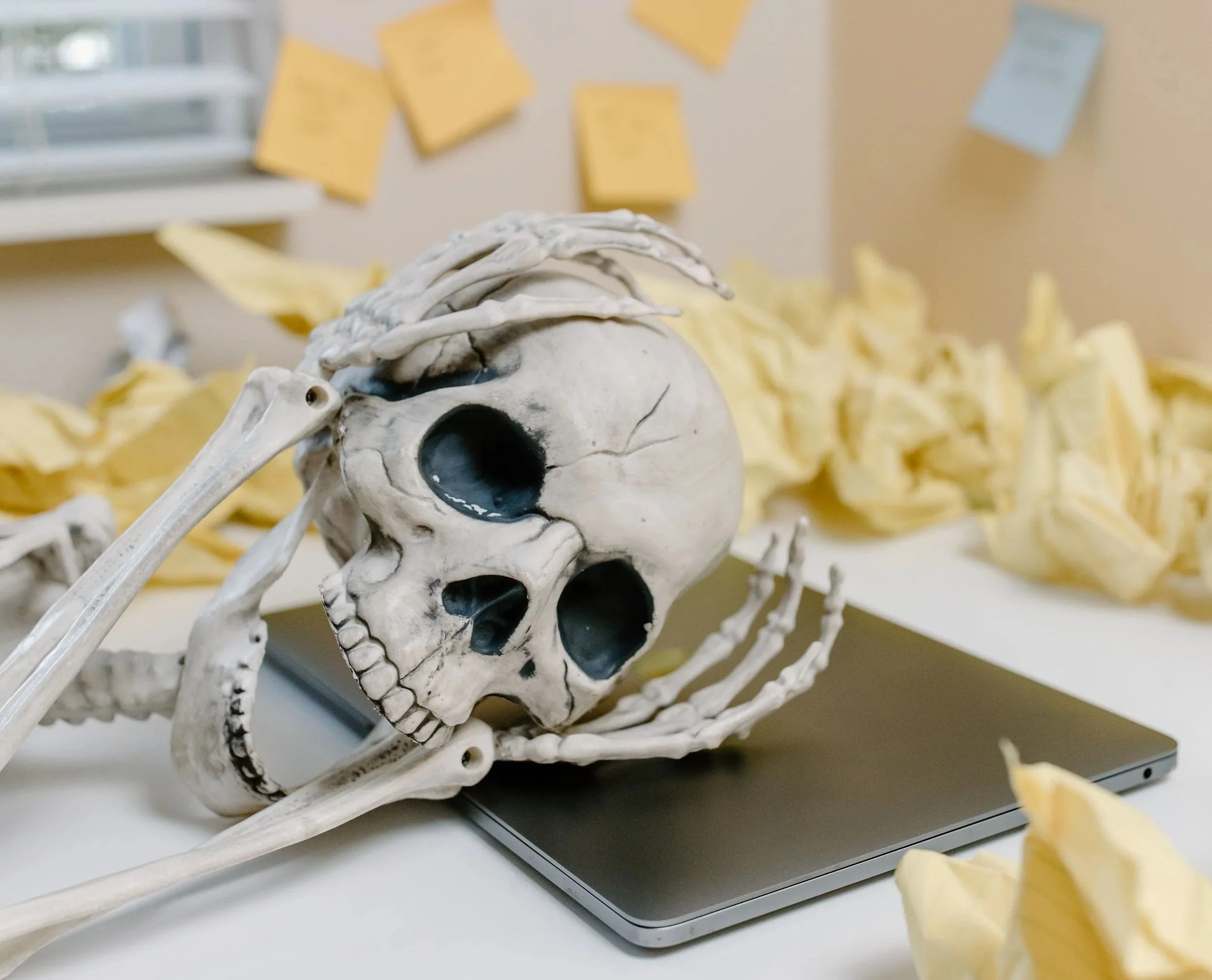
If you’re relying on willpower, it's the plan that's rubbish, not you
When your motivation to achieve something disappears, what do you usually do?
Look for more motivation?
Try to summon some willpower?
Promise yourself you'll be more disciplined tomorrow?
If so, I've got some bad news. Nobody wakes up every morning overflowing with enthusiasm for meal prep, strength training, vegetables and going for a walk when it's raining.
You’re not out of control. You’re just on autopilot.
There's a moment just before you reach for the thing you promised yourself you wouldn't.
The snack. The glass of wine. The phone. The "five minutes" that becomes an hour.
Usually we only notice after we've done it: "Why did I do that? I need more discipline."
But what if the problem isn't discipline? What if you're just missing the gap between the trigger and the response?
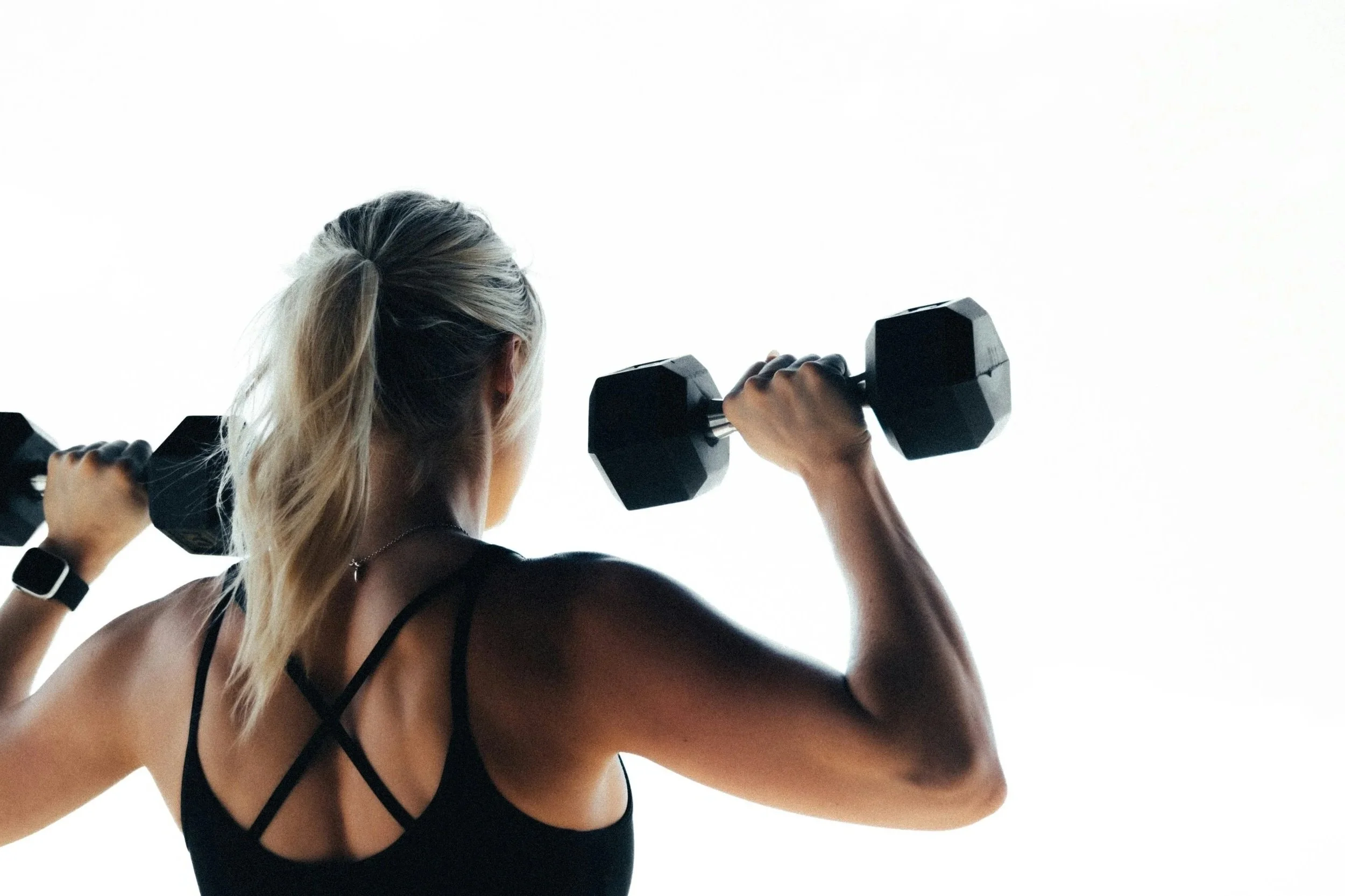
How do you know if you’re lifting heavy enough?
I love strength training. I’d happily do it just for fun!
But why are you strength training? Or why do you want to start? To get stronger? To change your shape? To support weight loss? To protect your bones?
In any case, our objective is to build the muscles up stronger, not just to move them. Stronger muscles mean stronger bones, that ‘more toned’ look, getting to (and maintaining) a healthy weight more easily.

Why do things feel harder than they used to?!
Most people think they know when they’re stressed. Because they feel overwhelm, anxiety or pressure.
The more common version of stress is much more subtle. And we can only recognise it’s there, by noticing the impact of it – with things like:
To-do lists piling up that you never get round to
Snapping at things that wouldn’t normally bother you
Overthinking simple decisions
Scrolling when you’re tired - instead of resting
Upping caffeine, sugar or snacks to keep going
Powering through, until things calm down. Which they never do
Feeling wired but tired - like you’re permanently ‘on’
These things can feel stifling. You frame them as bad habits, personality traits, or the inevitable outcomes of being really busy. But they can also feel frustrating – after all, things didn’t use to be this hard!
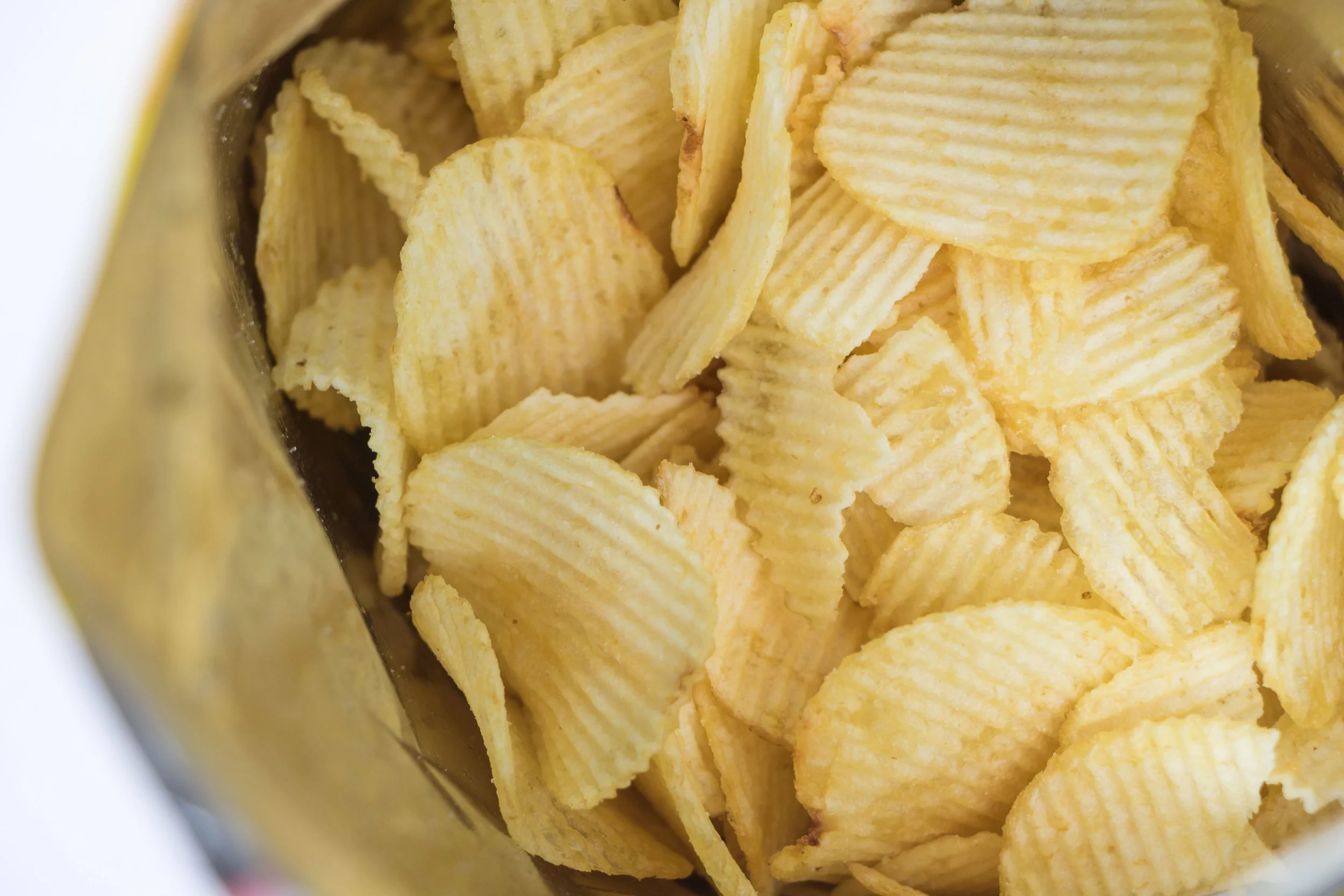
Why ‘Once you pop you can’t stop!’
Do you ever find your hand at the bottom of a family pack of crisps and wonder “Who ate all of these?!”
It’s really not your fault. With ultra-processed foods, the odds are piled high against us all.
It’s you versus dozens of taste-testing focus groups, clever marketing, and an ambrosia of flavours, chemicals, and textures designed to send your brain into bliss.
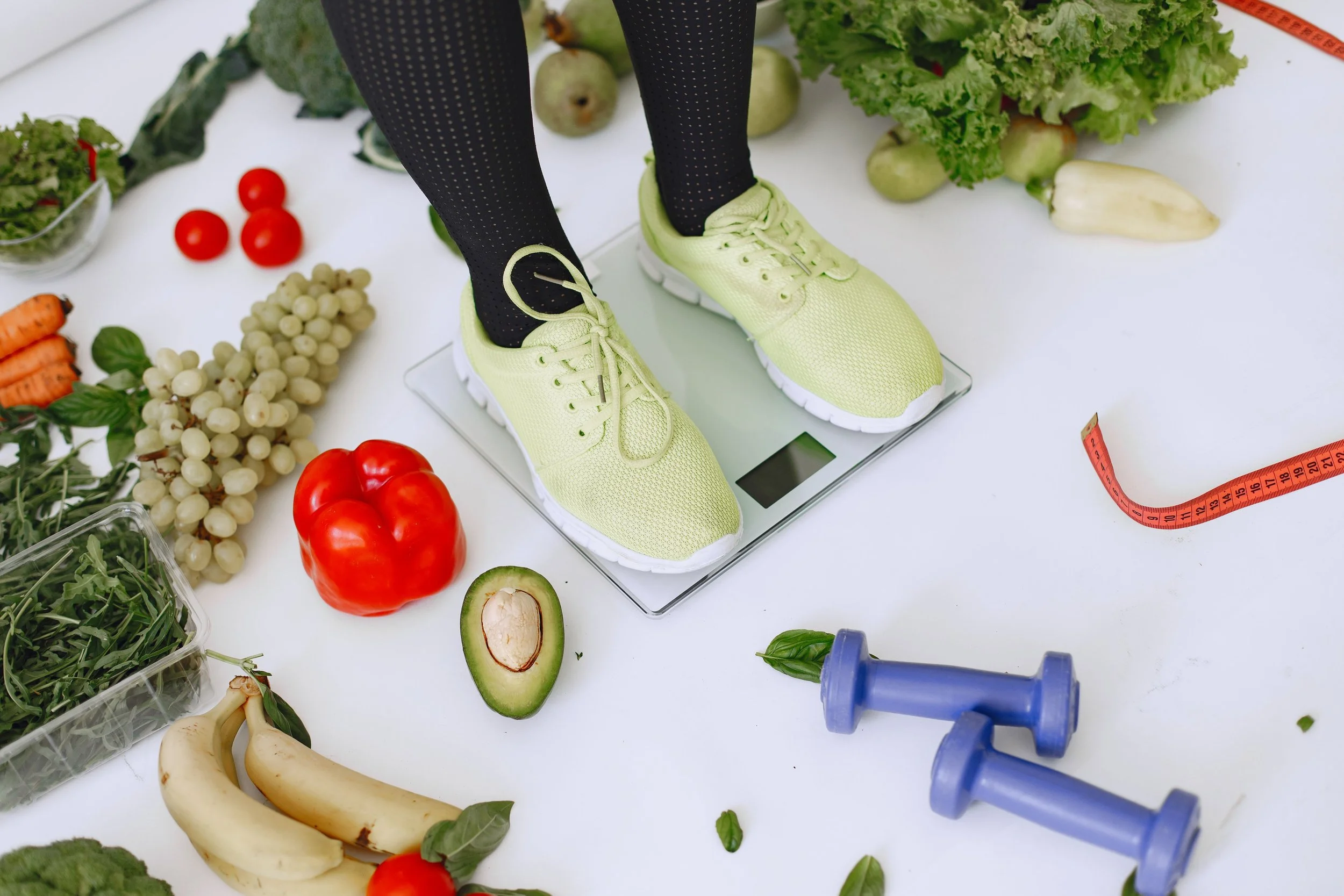
Stop comparing your life to someone ‘healthier’
Have you ever looked at someone else's ‘healthy lifestyle’ and thought:
“How on earth does she do it?”
She gets up at 5am.
She goes to the gym.
She meal preps.
She drinks green smoothies.
She never seems to eat cake.
Meanwhile, you're just trying to get through Tuesday with less wine.
And this is where comparison can become a problem.
Why you’re getting stuck before you’ve even got started!
Have you ever told yourself, ‘I’m going to start tomorrow!’? Then, tomorrow comes and it’s, ‘I’ll definitely start next week!’
So often, we look for reasons for this - the things we don’t yet know, the expert we need to consult - because knowing more feels so much like progress.
But, behaviour change happens in the doing, and the doing is driven by the decision. People who are stuck at the start of the change process keep revisiting their decisions.
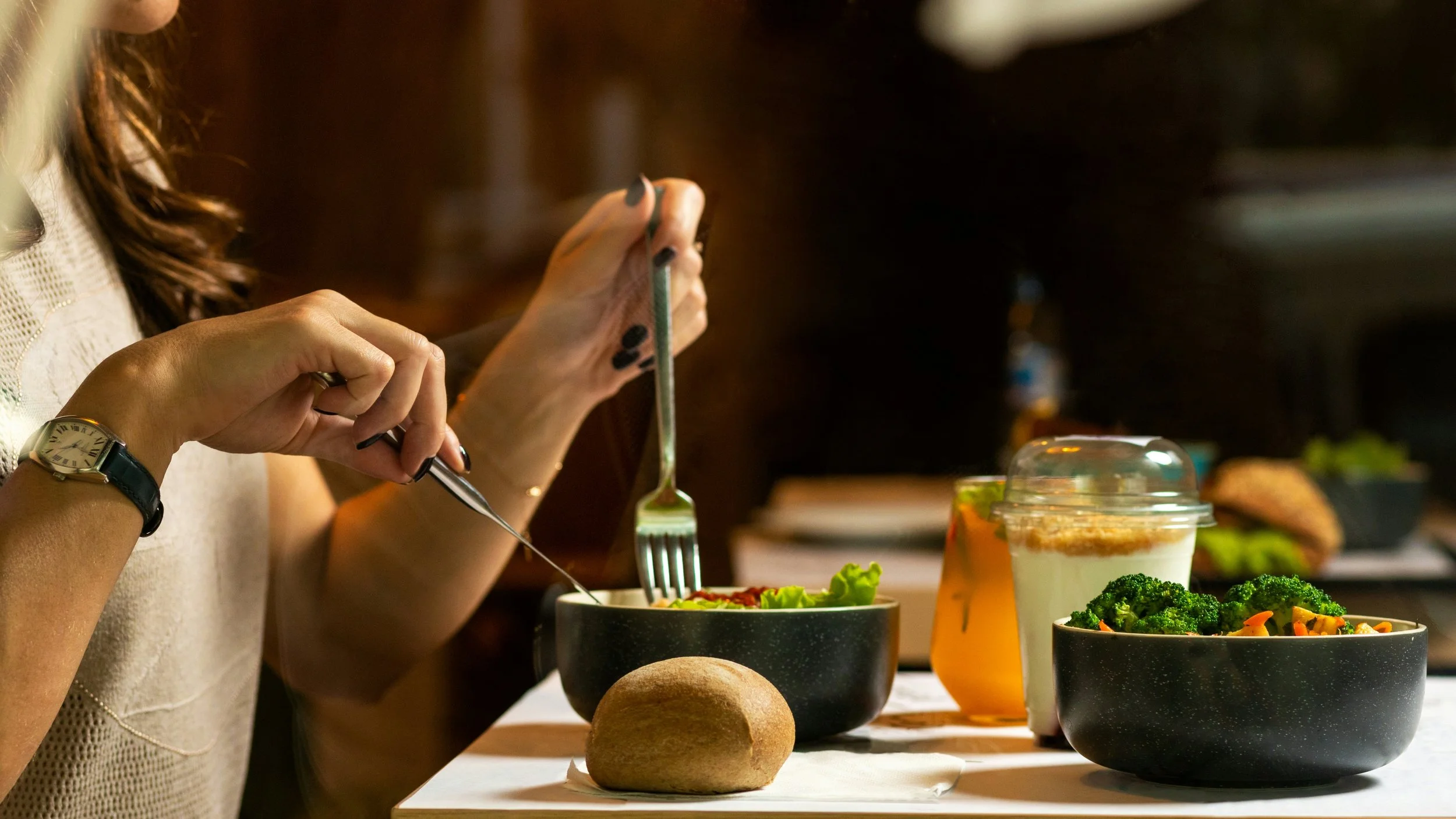
The simplest and most impactful way to eat better
When it comes to eating better, most people worry about the details, such as …
‘Are potatoes fattening?’
‘If I don’t drink a protein shake after my workout, is it even worth exercising?’
‘Is keto the best way to lose weight? Or should I be fasting? Or go Vegan?’
There may come a time for these kinds of details, but it’s not the right place to start.
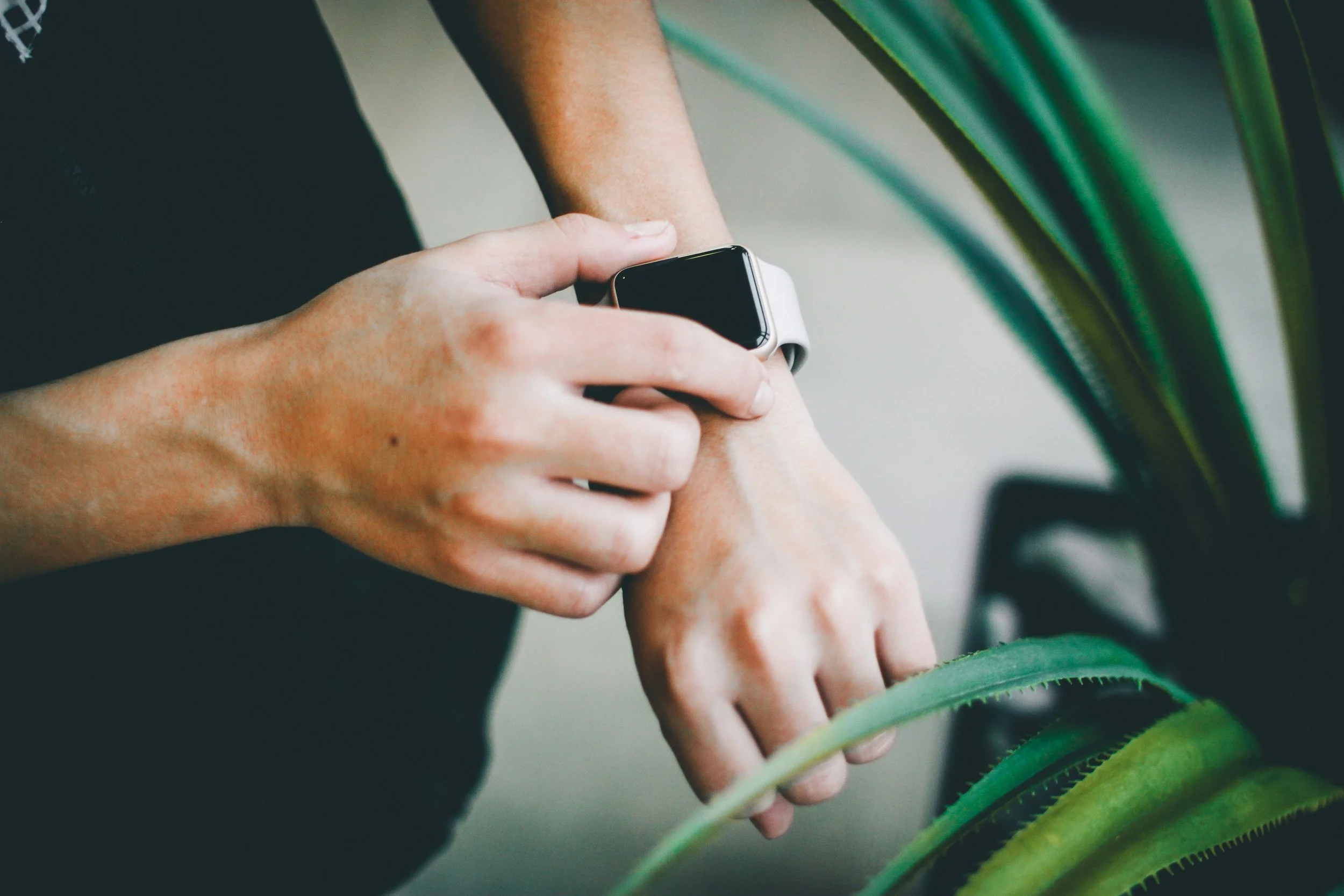
Is your fitness tracker your friend?
Lots of people wonder: ‘Should I use a fitness tracker?” And honestly, it depends. For some people, it can be a really helpful tool. This is especially true if you …
Are numbers-oriented. Do you have that accounting mindset – excited about the maths
Have more advanced goals. Think elite athletes, bodybuilders, models, and other people who get paid based on how they look or perform.
See data as information - nothing more. The numbers don’t define you. They aren’t part of your identity. In this case, the data can be helpful, because you can view it as just that.
But for others, fitness trackers can influence more than they should.
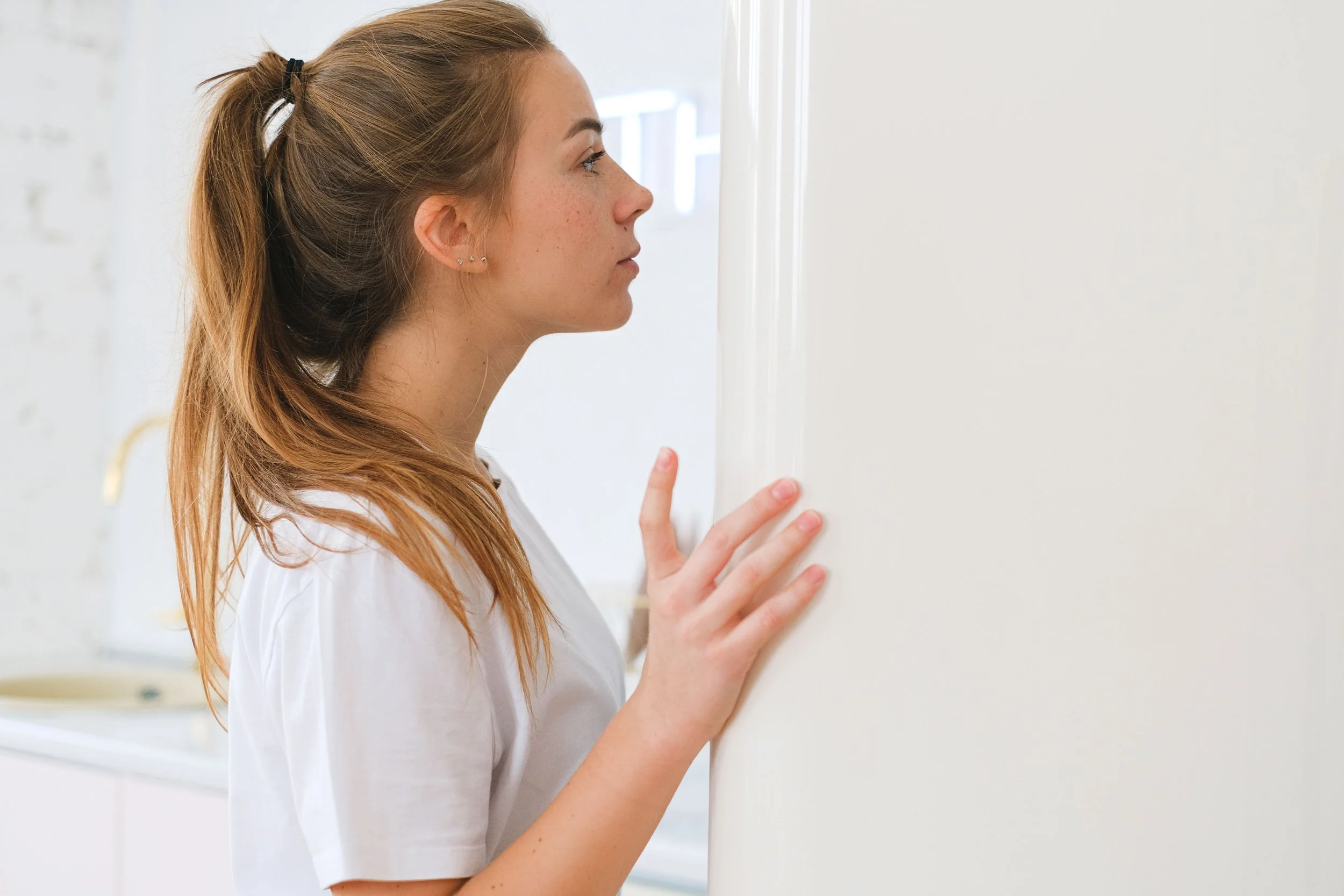
How do I stop uncontrollable snacking?
Have you ever asked yourself, "How do I get enough willpower, to stop snacking?"
It's a question I’m often asked. And it’s usually followed by something like …
“Every day, I wake up disappointed I snacked yesterday, but determined I won't do it again today. But then I always do”
“Even though I don’t want to snack, I’m just too hungry not to. Something really weird is going on. It doesn’t make sense. I never used to be like this!”
“I just need more motivation or discipline. I don’t feel like I can trust myself anymore”
“I always feel guilty after snacking. Sometimes I even feel guilty while I’m snacking!”
The reason why you snack will be individual to you - and your environment, your habits and your mindset are part of the picture, sure.
Stop ‘starting again’ in September …
When habits slip in summer, the story we tell ourselves is usually some version of:
‘I just don't have enough discipline right now’.
And, if not that, it’s:
‘I'll get back on track when life settles down’.
But that story isn't quite right.
You see, habits don't slip because you lose willpower. They slip because the environment changes and the system that held everything in place disappears with it. The morning routine. The regular mealtimes. The structure that made the healthy choice the easy choice.
Summer removes the scaffolding, that's all. Which means the answer isn't more discipline. Instead, we need a smaller, simpler system that works without the scaffolding.
How to go on holiday without it wrecking your progress
Summer is genuinely disruptive. It’s one of the most routine-scrambling seasons of the year, and yet it’s the one we expect to breeze through.
There’s definitely a gap between the idea of summer and the reality of it, and this is where people lose their footing.
There’s that repeating question … ‘should I just let it happen or stop the downhill slide?’
But it doesn’t have to be one or the other. There’s a third option … have the holiday you want without throwing your health out the window.
Sounds like an impossible task? Let me show you my strategy.

How to future proof your fitness
You might already feel it happening …
An activity you once breezed through suddenly requires a full two days of recovery. You hesitate when navigating uneven ground or picking up something heavy. And, jumping?! Er … no.
But how much control do we actually have over this? And, when do we need to just accept it?
In 1974, researchers in Sweden began testing the fitness of 427 sixteen-year-olds. That same group has now been retested at nine points between the age 16 and 63, measuring aerobic capacity, muscular endurance and muscular power.
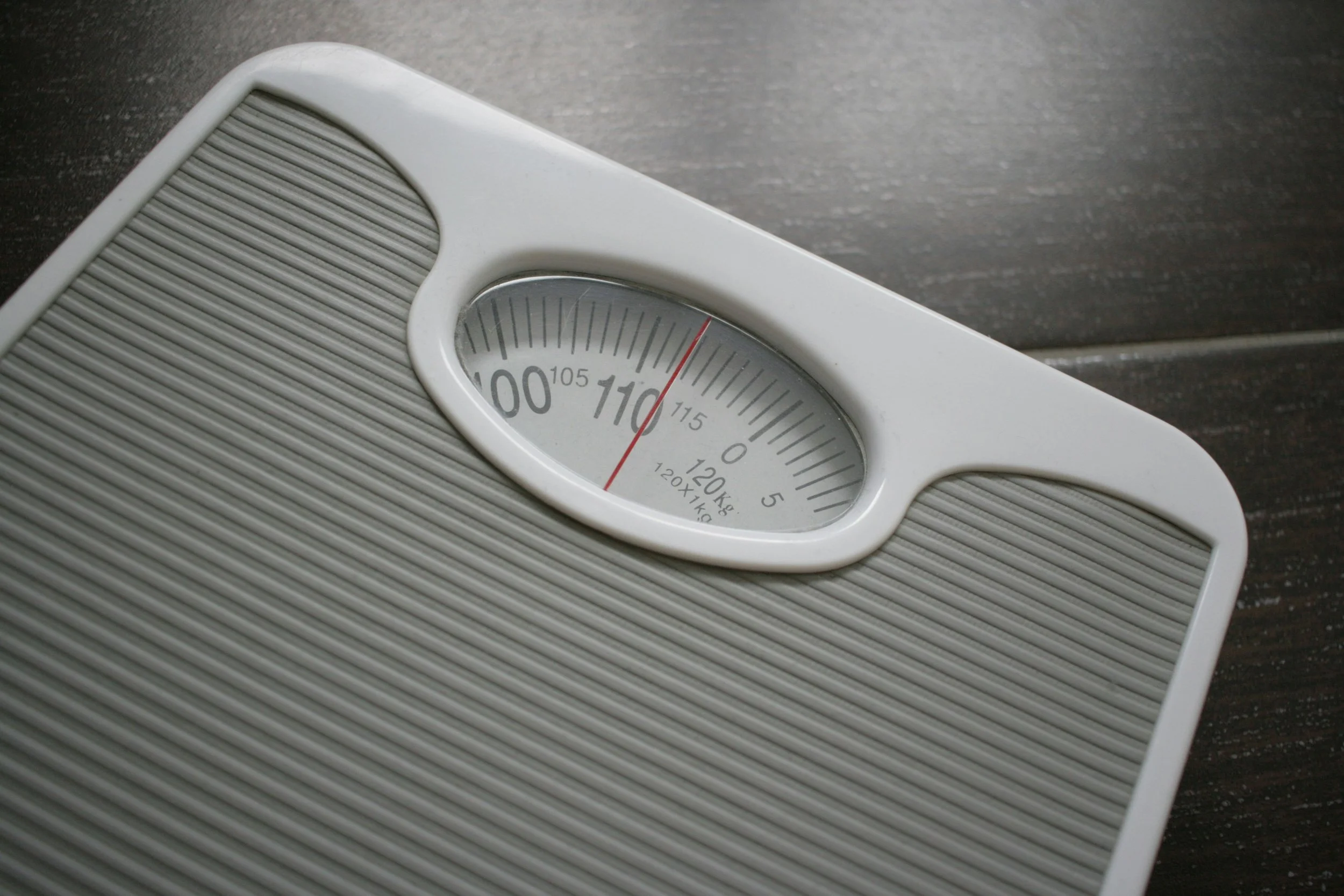
Should you weigh yourself on a weight loss journey?
It depends on how you think about it, and what you do next, suggests University of Oxford research.
In the study, participants weighed themselves each morning for eight weeks.
They were also asked to ‘think aloud’ during and after stepping on the scales - and either audio-record themselves or write their thoughts in a journal.
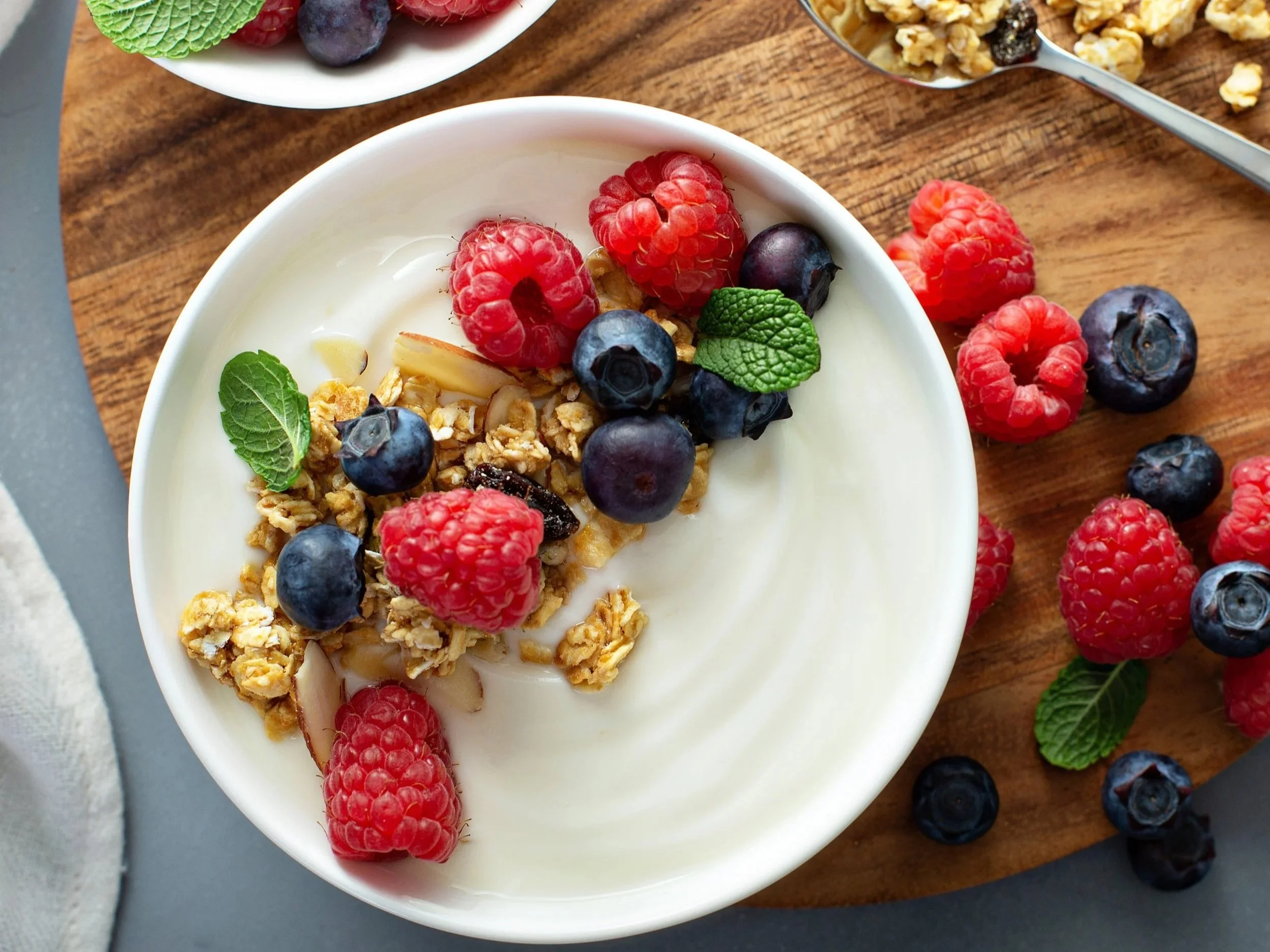
Is breakfast the most important meal of the day?
Has the decision to eat breakfast always been this complicated?!
Some people feel sick if they eat it. Others turn into monsters if they don't.
Some say ‘breakfast like a king’. Others preach we should fast until lunch time.
So… is it the most important meal of the day?
Well, like so much in health, the answer is…‘it depends’. Here’s how to make the decision for you given where you are in your life now.

Why your goal setting isn’t getting results
When people talk about their health goals, generally, they say things like:
I want to lose 20 pounds
I want to be less stressed
I want to get more sleep
I want to run 5K in under 30 minutes
These are all examples of outcome-based goals - goals that focus on a desired outcome or result.